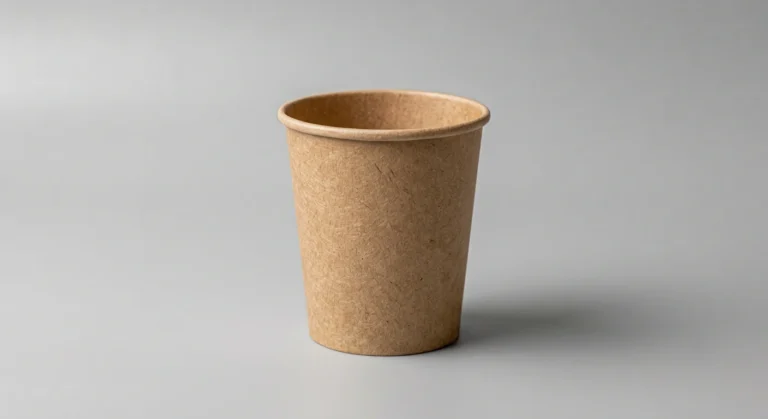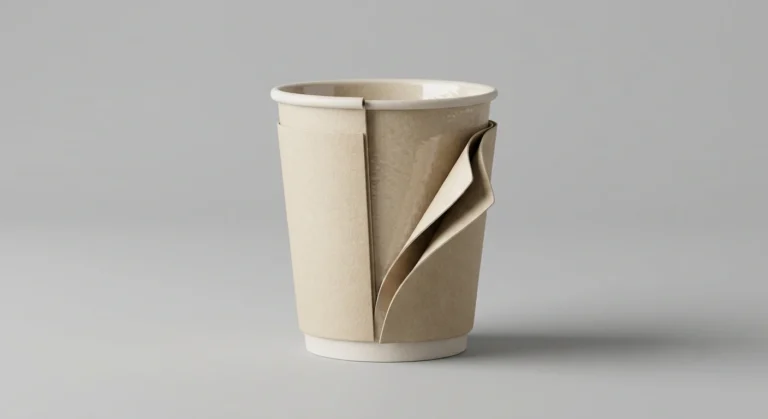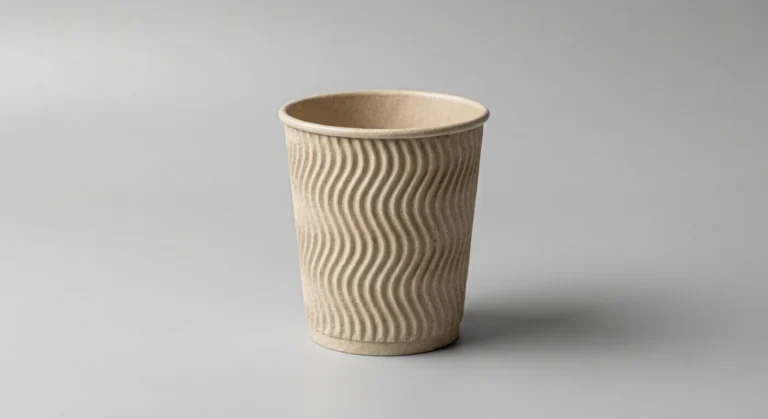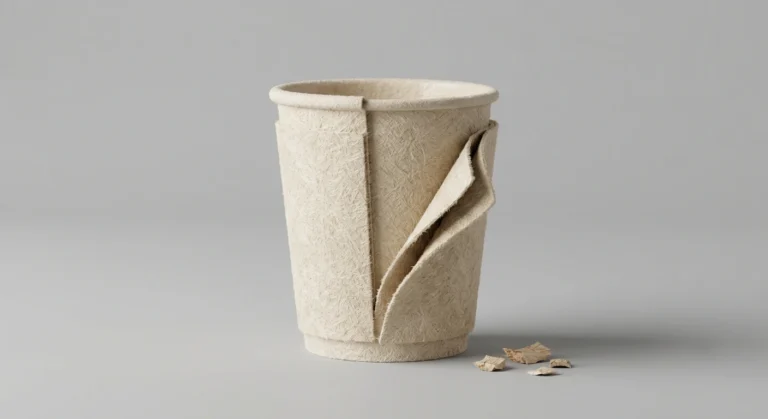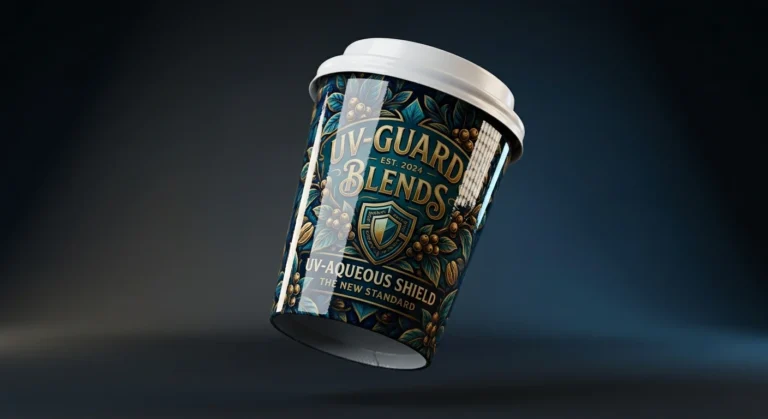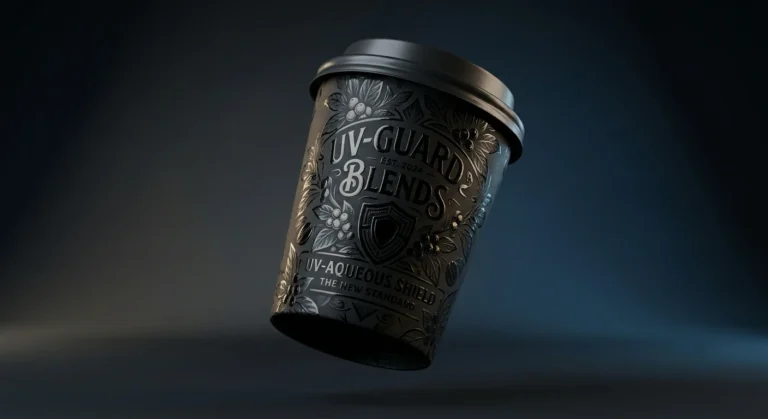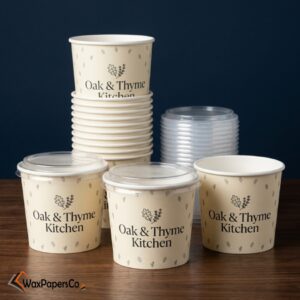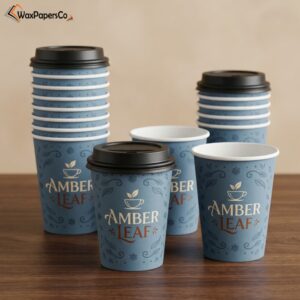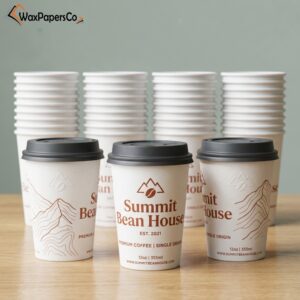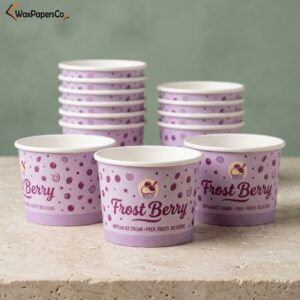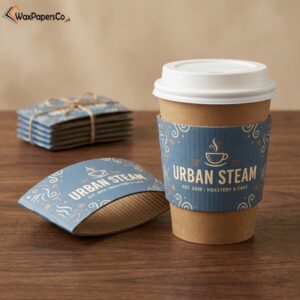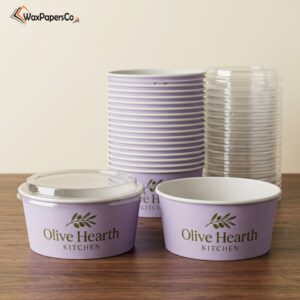

There is a coffee culture boom in every part of the world. In addition to coffee, you will see a plethora of drinks that are continuously dominating the market. On one hand, it gives a lot of growth opportunities to businesses, and on the other, it raises the issue of ready-to-serve packaging. Amid all this, paper cups give the best and most affordable solution to brands dealing with beverages. These cups are functional and sustainable. Brands can get them printed with their logos for branding and a unique serving experience. At Wax Papers Co, you will find multiple styles and sides of the cups that make serving a piece of cake for brands. You will get every design aspect in your hands at our company, where each design is finalized under expert supervision and consultation.
Material Quality Is Important for Paper Cups
It all starts with a virgin paperboard of food-grade quality, 100% safe and 100% pure. A good cup stock needs to be stiff to hold the shape of the wall when it is filled and has to have a smooth surface for sharp printing. Also, prevention of seam and base leaks is achieved because of uniform thickness, strong ply bonding, and equal adhesion of the coating. The board has to be odourless and heat resistant when hot liquids are poured on it so that it is not softened and destroyed. When combined with low-migration inks and coatings, the cup material must be in compliance with FDA and similar standards.
150 GSM Paperboard
The lightest of the grades is 150 GSM paperboard. It is used for small sampling cups, tasting cups, and generally water cups of about 2 to 4 ounces. It offers good availability and low material cost, along with well-formed cups on cup machines. It keeps cold or lukewarm liquids firmly with a PE coating. However, due to its low stiffness, it is not an appropriate option for hot drinks or higher bulk sizes, thus only applicable in lightweight and short-term use applications. It also stacks easily.
190 GSM Paperboard
190 GSM paperboard is the middle ground option for small to medium cups, approximately 4-6 ounces. Sufficiently stiff for water, juice, and espresso cups but (most) importantly – inexpensive. With PE coating, it prevents leakage and withstands warm beverages. You have this grade, which is often found in vending machine cups and office water cups, because it provides reliable performance but without the cost of heavier boards. Printing quality remains good.
210 GSM Paperboard
One of the most commonly used paperboards for single-wall hot cups dates back to 210 GSM, which is a typical weight appropriate for 6 to 8 ounce standard Tea & Coffee hot cups. It offers decent stiffness, prints smoothly, and seams also hold well for a reliable finish on end-use parts. When filled with hot liquid, the board retains its shape, and the coating stays well adhered. That is the reason this grade of tree will be so preferred by many on a daily basis because it offers an amazing blend of quality, maximum comfort,t and a good price range for everyday service. Printing stays crisp and vivid.
230 GSM Paperboard
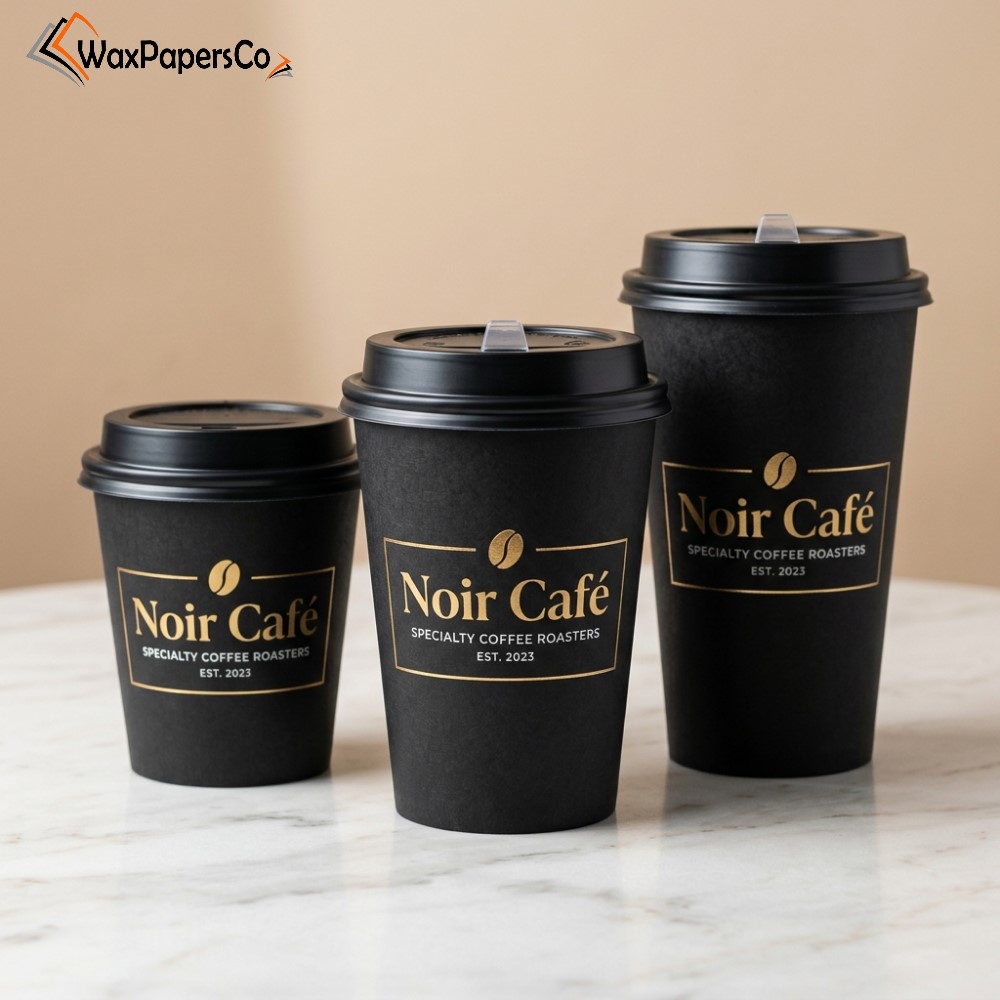
This 230 GSM paperboard is strong enough to support medium and large cups of approximately 8 to 12 ounces, including takeaway coffee cups. It provides significantly improved rigidity with heat resistance and a premium hand feel. This paper GSM lends resistance to squeezing and gives better surface adhesion for high-quality branding. For hot drinks for a longer time, coffee chains & quick-service restaurants would prefer it in place. Carried, stacked, or lidded containers remain stable at larger sizes.
250 GSM Paperboard
250 GSM paperboard: this is the heavyweight grade used for larger 12 to 20oz cups and premium takeaway Beverages. Its high stiffness resists deformation from heavy, hot liquids and tight lids. According to some designs, the strong-walled product may eliminate the requirement for sleeves and/or double-wall constructions. The paper also provides a fantastic texture for high-print designs, making it an optimal pick for more durability-focused brands. It also holds lids securely.
With the use of the above-mentioned material options, we manufacture the following styles of cups:
| Cup Type | Material Structure | Main Benefit | Common Use |
| Single Wall | One Layer | Cost Effective | Hot Beverages |
| Double Wall | Two Layers | Better Insulation | Premium Coffee |
| Ripple Wall | Textured Exterior | Heat Protection | Takeaway Drinks |
| Cold Drink | Moisture Resistant | Condensation Control | Iced Beverages |
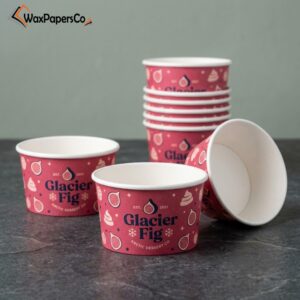
| Dessert Cups | Coated Board | Leak Resistance | Ice Cream |
Coating Options For A Durable Cup
Paper-based cups are liable to get soggy, which can ruin the whole presentation of your serving. This can be prevented with the application of different coatings. These coatings give a moisture- and scratch-resistant sheet to the paper and enhance its durability and moisture resistance:
Polyethylene Coating
PE coating is a thin plastic layer extruded onto paperboard, imparting a reliable barrier against water as well as coffee and tea. It can easily be sealed; it is flexible and more economical, making it the most popular cup coating. PE with solid side seams and bottom seals does not leak. One challenge is its recyclability, as plastic can be difficult to separate from fibre.
Double PE Coating
This coating coats the inside and outside of the board with polyethylene. The inner layer contains liquid, but the outer coating keeps condensation at bay to reduce the threat from cold drinks. This keeps the wall of the cup stiff, with no soggy walls and no beaten-up print. It caters for cold drinks and a long service life, but the extra plastic comes at an additional cost associated with recyclability.
Polylactic Acid Coating
It is produced with a bioplastic from corn starch or sugarcane, which is coated on the inside of the cup like a thin film. This provides solid liquid resistance and also supports industrial compostability. PLA has high tolerance for hot drinks within limits. Will be more expensive versus PE. Can only deliver its full environmental benefit in the presence of good composting.
Water-Based Barrier Coating
These coatings are dispersion layers applied via rollers or rods that form a thin film coating—without an extruded plastic layer. Because the cups have much less polymer, they achieve better repulpability and recyclability in traditional paper mills. They withstand hot and cold liquids for standard service periods; they are also easy to print on. Barrier strength differs from formulation to formulation, so it is paramount that you select a proven supplier if leak-free performance is important.
Wax Coating
The food-grade wax comes through the coating on the paper surface and is used as a quality moisture barrier. Common for cold drink cups and short-use applications. The wax gives a slick, low-temp finish with water resistance at 32 degrees and below. This coating is not a good option for beverages like paper soup cups and tea cups.
Bio-Based and PFAS-Free Barrier Coating
These coatings do not need fluorinated chemicals to retain the essential bodily fluids and oils. This is because they are made of natural polymers and starch derivatives with mineral formulations. It responds by tightening regulations around chemicals and is prompted to understand customer concerns. These layers enable better recyclability or compostability while still providing sufficient leak prevention. The performance only continues to improve,e making them desirable for brands looking for compliant, responsible, and future-ready cup packaging.
The overall manufacturing of paper cusp is as follows:
| Manufacturing Stage | Key Production Activity |
| Raw Material | Selecting Food-Grade Paperboard |
| Printing Process | Applying Branding With Food-Safe Inks |
| Die Cutting | Cutting Precise Cup Wall Blanks |
| Seam Sealing | Bonding Edges To Prevent Leakage |
| Bottom Attachment | Sealing Cup Bases With Heat |
| Rim Curling | Creating Smooth, Rounded Cup Rims |
| Quality Inspection | Testing Seams, Dimensions, And Leak Resistance |
| Packing Dispatch | Counting, Labelling, And Shipping Finished Cups |
Why Use Printing on Paper Cups?
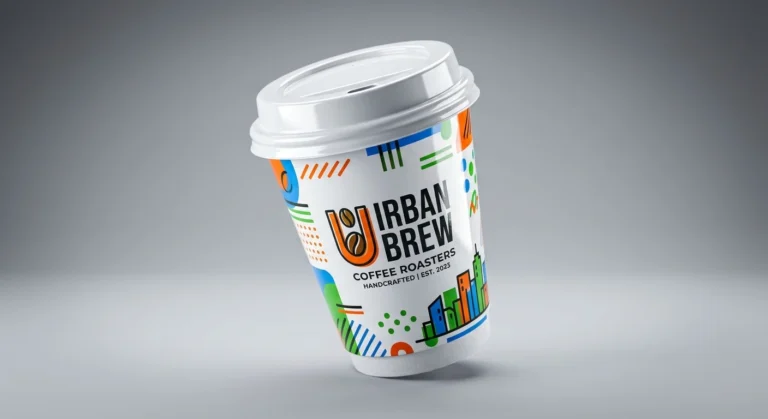
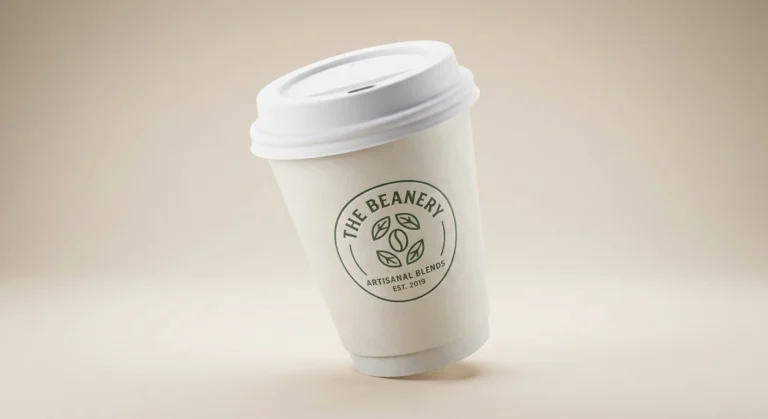
It makes the cup more than just a disposable utensil and gives branding potential. A printed logo and colour scheme help your beverage stand out and establish customer trust. These prints can include promotions and seasonal messages to increase engagement. It also raises perceived value and invites photo-sharing online. Every cup that is taken back and forth in the street serves as a cheap marketing tool for your company.
- Flexographic Printing
- Offset Lithography
- Gravure
- Digital Printing
- Screen Printing Letterpress Printing
- Hot Foil Stamping
Ready To Elevate Every Sip?
One of several differences between different types of paperboard or sleeves is temperature resistance and food-contact safe properties. This is where Wax Papers Co comes into play: manufacturers’ premium-grade, completely recyclable and biodegradable, food-safe single wall double wall puts seamless sleeves where normal plastics can fail at providing ultimate durability. Get free samples and a quote from Wax Papers Co, your ultimate printed paper cup company.