What Is Parchment Paper? A Guide To Its Uses & Benefits
Suppose you are going to bake a signature batch of chocolate cookies for your brand, but the hassle of scrubbing pans later on seems to be a haunted dream. In that case, what will you do? Keep on baking with the irritating end, you try to get rid of the issue? Obviously, the second option appears to be more sagacious, right? But how will you do this? The best way of doing this is to use Parchment paper.
This sheet of paper will be your most trusted partner when it comes to handling sticky foods. The paper’s ability to prevent the bonding of the food with the surface of the pans and make the cleaning process as easy as a breeze makes it one of the most essential kitchen tools. Using custom parchment paper, you can easily make en papillate fish or a simple plain bread in the easiest yet professional manner. Let’s see what this paper is and how it works in such a miraculous way!
What Is Parchment Paper?
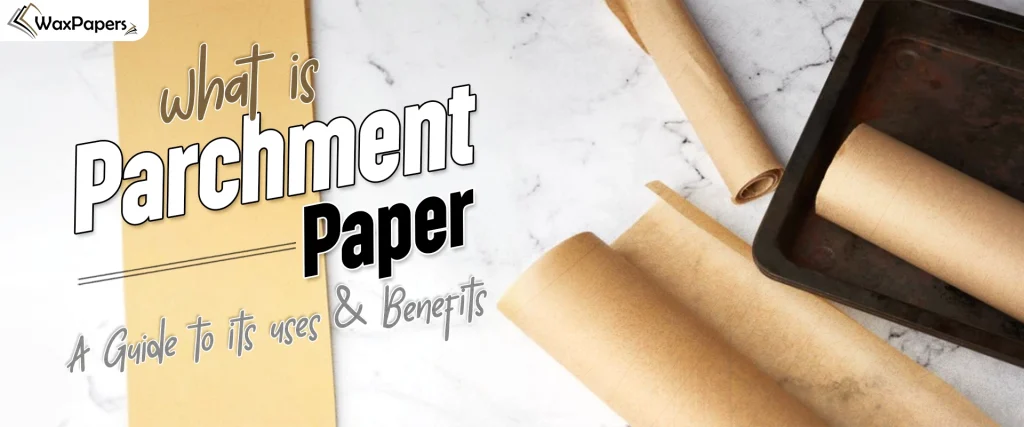
It is a versatile cellulose-based paper that undergoes chemical as well as mechanical treatment to get exceptional grease-resistant and non-stick qualities. Not only this, but the high resistance to heat makes this custom paper a unique kitchen tool that helps in several ways.
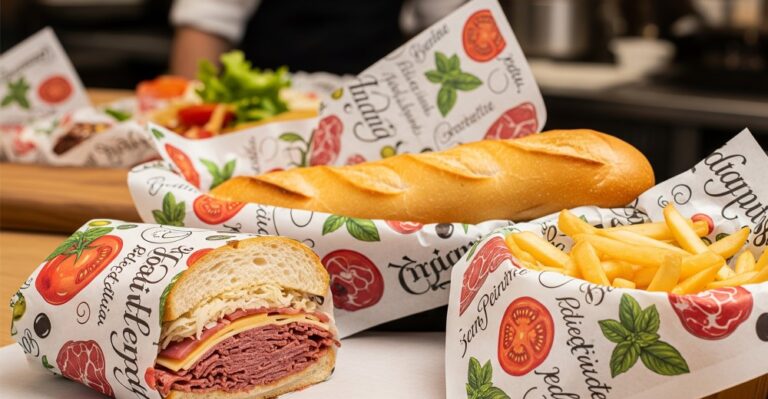
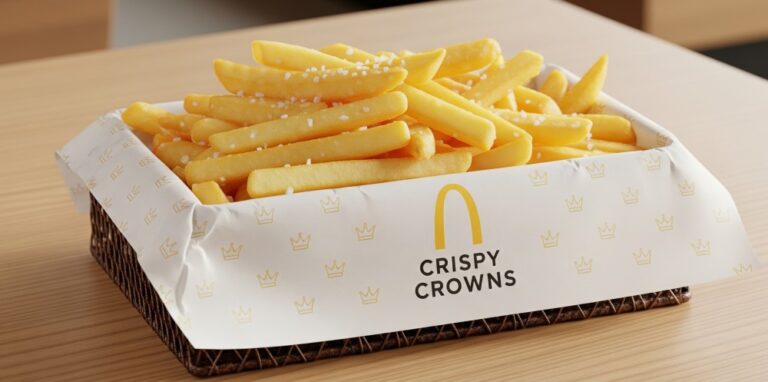
Not only at the domestic level, but the role of paper is quite significant when it comes to branding. The custom-printed parchment paper is widely used across the food industry to promote and present food in a professional way. The paper gets its unique properties due to complex manufacturing processes and silicone coatings. Unlike wax paper, it can be used in the oven because the coating does not melt and remains stable at significantly high cooking temperatures.
Historical Evolution
Originally, parchment was a term used for animal skin products that could be used for writing. Later on, vegetable parchment paper was manufactured in the nineteenth century, and people started to use it for several food-based applications. Industrial advancement made it easy to coat the paper with different coatings, which enhanced the paper’s functionality, and hence it is in demand in the market.
Raw Materials And Composition
In the production of parchment paper sheets, the selection of material is quite a tricky task. This is because the whole quality of the paper is based largely on the quality of the material and how it is treated. Be, PW are some of the key manufacturing steps that we follow to give you a premium quality custom parchment paper.
Cellulose Pulp
In the manufacturing of all the different types of custom food papers, softwood is used that contains cellulose fibers. These fibers provide both strength and flexibility to the paper. This ultimately gives a robust and long-lasting packaging. One of the best aspects of cellulose fibers is that they are sustainable.
Chemical Agents
To give custom parchment paper sheets of high quality, manufacturers treat the raw material with different types of chemical agents. These chemicals are washed thoroughly at the end of the process to avoid any health hazard. Some of the options are as follows:
Sulfuric Acid
After the pulping process, the paper is treated with sulphuric acid, which hydrolizes amorphous cellulose and gives partially soluble fibers. To stop the process at a specific point, the paper is washed, and a dense sheet is obtained that has fewer pores that repel grease.
Silicone Resin
The paper becomes non-stick through a treatment with food-grade silicone made from polydimethylsiloxane. Following curing, the coating creates a cross-linked structure that results in parchment rolls of paper, which are nonstick with heat resistance up to about 200 degrees Celsius.
Physical And Chemical Properties
| Property | Description |
| Heat Resistance |
|
| Grease & Moisture Resistance | Silicone-treated cellulose:
|
| Non-Stick Release |
|
| Mechanical Strength |
|
| Gas Permeability |
|
| Compostability |
|
Uses of Parchment Paper
Parchment paper is one of the most versatile options. It is not only used for cooking but also as food basket liners and deli paper sheets to present and wrap foods in professional settings. Some of the common applications are as follows:
- Sheet-Pan Liners: You will not need to grease pans.
- “En Papillote” Pouches: It is supposed to steam-cook vegetables or meat in their own juice.
- Rolling Out Dough: It is an excellent nonstick surface to roll cookie or pastry dough
- Cake and Bread Pans: You can use them to line pans and remove the stress of dealing with sticky food.
- Parchment Cones
- Food Wrappers
- Release Liners
- Food Packaging
- Origami Arts
- Book Conservation
The use of custom-printed parchment sheets is quite beneficial, such as:
| Category | Benefit | Description | Note |
| Benefits | Health Safety | Food-grade coatings | No leaching under heat |
| Convenience Sheets | Pre-cut ease | Consistent sizing | |
| Waste Reduction | Less product waste | Non-stick release reduces | |
| Versatile Methods | Ovens microwaves | Avoid direct flames | |
| Environmental Impact | Compostable pulp | Sustainable sources |
| Safety | Concern | Description | Note |
| Temperature Limits | Avoid overheating | Prevent smoking or browning | Limit: 230 °C (446 °F) |
| Chemical Exposure | Minimize agents | Unbleached, PFAS-free | Reduce harmful exposure |
| Proper Disposal | Compost settings | Varied regulations | Silicone persistence in soil |
Conclusion
Custom parchment paper is a useful addition for domestic as well as commercial purposes. With thematic printing on the paper, brands can use it as an excellent promotional tool that will help them get the attention of the customers while preserving their food in style. To get such a paper, you can contact Wax Paper Co. and avail of market-competitive rates!